Your Great Falls roof must withstand extreme sun exposure, wind stress, deep snow, and freeze-thaw cycles. Metal roof materials generally surpasses standard asphalt in withstanding impact, fire, uplift, and accelerated weathering, plus removes snow more readily. Look for fractured shingles, loose flashing, water penetration, granule loss, or sagging areas after storms occur. A experienced roofer will check the decking, underlayment, ventilation, evaluate storm-related damage, and advise repair or replacement for lasting performance.
Main Highlights
- Great Falls roofing must endure strong ultraviolet, wind stress, deep snow, and temperature swings that worsen leaks and cause material breakdown.
- Metal roofs function for approximately 40-70 years, handle wind forces, fire, and impact damage superior to standard asphalt, and clear snow readily.
- Asphalt shingles price less initially but often wear faster, with curling, cracking, plus granule loss in Great Falls conditions.
- Problem signs encompass cracked shingles, flashing gaps, deteriorating valleys, stains on ceiling, attic condensation, and damage from storms over several roof slopes.
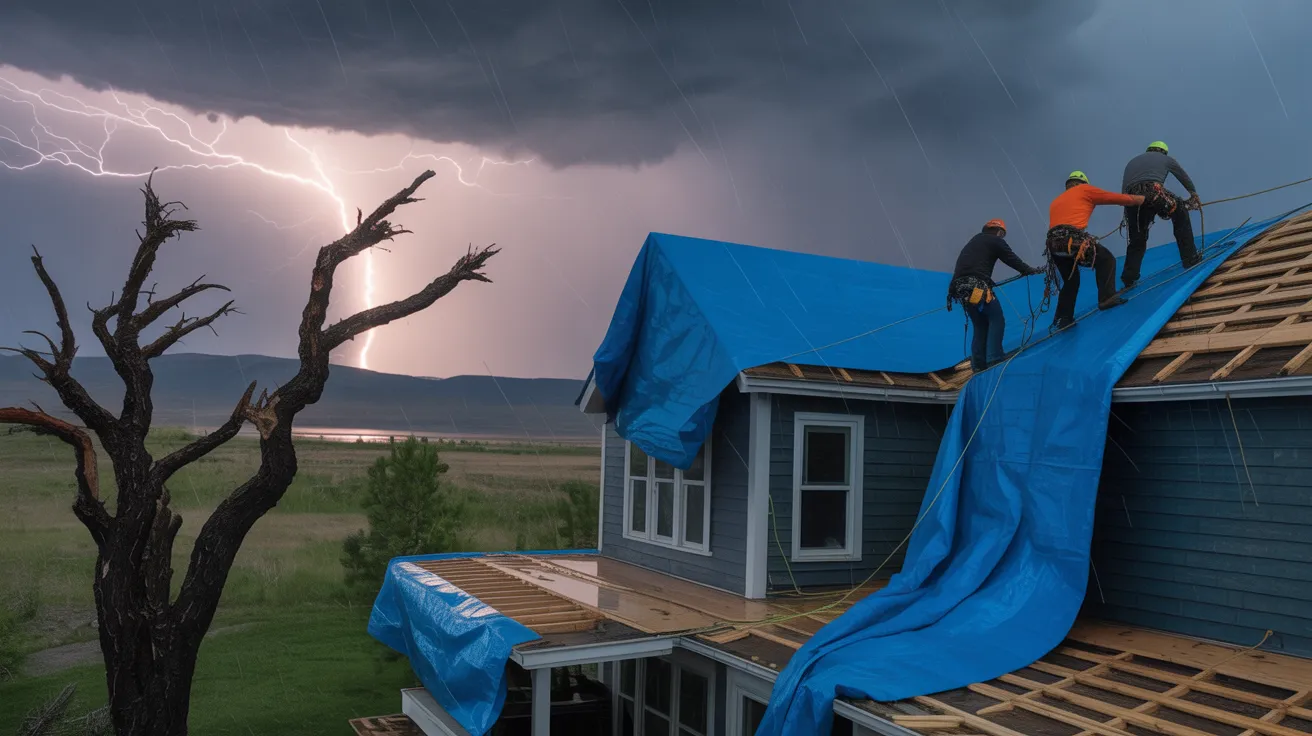
- Great Falls roofing experts deliver inspections, leak diagnostics, storm repairs, and emergency tarping, and professional metal roof installation with correct underlayment and flashing.
Ways That Great Falls Climate Affects Roofing Systems
Given that Great Falls receives powerful UV rays, powerful gusts, hail damage, deep snow, and rapid temperature swings, your roofing handles year-round stress that cuts service life. UV exposure dries roof materials, weakens sealants, and increases surface degradation. Wind separates edges, pushes rain within sensitive connections, and displaces flashing at roof penetrations.
Heavy snow contribute additional weight, while ice formations trap precipitation around the eaves and raise chances of leaking. Freeze-thaw cycles enlarge small cracks, divide joints, and deteriorate underlayment materials. Hail bruises surfaces, crack coatings, and reveal underlying materials to water intrusion. You also encounter localized climate impacts: southern exposures warm faster, shaded areas keep damp longer periods, and areas facing wind weather faster harder. Routine inspections allow you identify damage from storms quickly, maintain drainage routes and lengthen performance throughout extreme temperature swings.
Metal Roofing against Shingles in Great Falls
When you evaluate metal roofing to traditional shingles in Great Falls, the decision usually comes down to climate protection, lifespan, maintenance, and long-term cost. Metal panels resist impact, fire, and wind better than shingles, and they typically last 40 to 70 years instead of 15 to 30.
Generally, you'll pay out more upfront for metal, but you may replace it more rarely and execute less maintenance. Shingles cost less initially and provide easier targeted fixes, but they may curl, crack, or shed granules sooner. Metal roofing systems also facilitates smooth snow shedding, which can limit roof snow buildup when correctly detailed with protective barriers. Should you be thinking about adding solar panels, metal roofing typically offers easier mounting opportunities and fewer penetrations. Your ideal selection comes down to your budget, your expected tenure, and your willingness to maintain it.
Why Metal Roofing Operates in Montana
Built for temperature swings, powerful gusts, deep snowfall, and extreme UV exposure, metal roofing excels in Montana's challenging climate. Your home obtains a system that handles thermal movement, swiftly drains water, and sustains building integrity amid freeze-thaw situations. Connected panels, invisible fasteners, and advanced protective coatings limit uplift risk, corrosion, and solar damage.
Furthermore, you benefit from excellent snow removal, which reduces static roof weight and protects structural elements. As metal systems bounces radiation from the sun, it can lessen heat in the attic during scorching, arid months. Low water absorption capability supports performance reliability through ice and snow weather. Durability of metal roofing counts significantly in the state, where persistent weather impacts shortens less robust materials. Utilizing quality underlayment, sufficient ventilation, and skilled installation, the roofing remains durable, efficient, and stable for decades with next to no maintenance.
Signs You Require Roof Maintenance
Detecting roof problems early prevents damage to structure, leaks indoors, and costlier replacements. Watch for damaged shingles, peeled flashing, unprotected fasteners, corrosion in valleys, and damaged sealant by vents, skylights, and chimneys. Upstairs, be alert to staining on walls, saturated insulation, mildew, or visible sky through roof decking.
Post-storm, look for impact damage, repositioned pieces, and missing granule material in gutters. Monitoring granule deterioration facilitates identifying compromised shingle surfaces before moisture gets past the underlayment. Weak attic ventilation also results in telltale signs: intense heat, frost buildup, excess dampness, and early shingle curling. When utility costs climb unexpectedly, excess dampness and thermal buildup could be compromising roof function
Arrange maintenance when you notice sagging sections, recurring drips, or loose metal trim. Quick action preserves the roof deck, insulation materials, and inside surfaces.
When Roof Replacement Makes More Sense
Consider roof replacement when severe weather impacts extensive areas, compromises structural components, or exceeds practical repair limits. If you're regularly spending on repeated leaks, failed patches, or repeated service calls, replacement often provides improved long-term savings. An aging roof system near or beyond its design life is unable to effectively protect your home, despite individual repairs may still seem viable.
Substantial Storm Damage
When a major storm damages large sections of your roof, a full replacement typically provides superior financial and structural value rather than repeated repairs. Following hail damage, wind damage, or punctures from fallen branches, you may have damaged decking, wet underlayment, and widespread shingle failure that repairs cannot effectively isolate.
You need a system-level evaluation, not patchwork. Storm forces often damages seal integrity, weakens fasteners, and forms hidden moisture routes around valleys, vents, and flashing. Following cleanup, standing water may continue damaging sheathing and insulation below the surface. If damage affects multiple slopes or compromises the roof assembly, new installation restores uniform protection, regulatory compliance, and manufacturer-backed performance. It additionally enables you enhance ventilation, underlayment, and impact-resistant materials so your next Great Falls storm doesn't exploit the same vulnerable areas once more.
Repeated Maintenance Costs
Frequently, repeated leak repairs, shingle repairs, and flashing repairs cost more over time than a scheduled roof replacement. When you're calling for service every season, you're likely trapped in cost cycles that deplete your finances without addressing underlying deck, ventilation, or underlayment issues. Small patch jobs can restore temporary function, but they seldom provide system-wide performance.
You need to compare yearly repair costs against replacement costs, labor escalation, and material matching problems. Repeated fixes additionally generate warranty gaps, especially when several contractors handle different sections or different product lines. Those gaps can leave you covering costs yourself if new problems emerge near previous repairs. A complete replacement gives you a single integrated system, predictable installation standards, and streamlined maintenance schedules. Often, that reset reduces overall roofing expenses and minimizes operational disruption markedly.
Aging Roof Systems
moisture problems after weather events. Repairing visible damage alone cannot fix overall structural decline.
Installation of replacement roofing serves benefit when inspections demonstrate moisture within decking, heavy granule deterioration, damaged insulation, or poor ventilation conditions that heightens thermal stress. Additional factors include code upgrade obligations, attachment robustness, and component compatibility with current material systems. Total roof replacement facilitates correction of inaccessible defects, boost water movement, and deploy rated assemblies meeting modern specifications. Substantial initial investment limits emergency interventions, prevents structural moisture damage, and cuts complete lifecycle costs.
Great Falls Roofing Professionals Address Storm Damage
Violent weather events potentially damage roof systems within moments, so Great Falls roof experts undertake damage evaluation using rapid, structured inspection of shingles, flashing, underlayment, decking, and metal panels to pinpoint obvious and hidden problems.
Following damage inspection, you obtain thorough documentation of damage levels, moisture problems, and structural concerns. Following storm damage assessment, detailed records of deterioration, water infiltration, and safety concerns is established. Debris clearing starts immediately to halt further surface harm and maintain water evacuation. Exposed zones get tarped, punctures are sealed, lifted shingles are restored, flashing components are secured, and fastener reliability on metal regions is confirmed. If moisture reaches decking, water intrusion testing, delamination evaluation, and fungal risk detection precedes repair authorization. Photo evidence and dimensional records substantiate insurance claims and help focus on vital stabilization rather than aesthetic updates.
Metal Roof Installation Process
Commencing with roof removal and concluding with trim installation, metal roofing setup maintains essential ordering to protect structures and sustaining roofing efficiency. Initial roof removal comes first, structural review takes place, and deteriorated sections get refreshed. Pitch verification, measurement confirmation, ventilation path validation, and fastener location confirmation follows ensuring correct positioning.
Then, perimeter trim, water and ice shields, and layer selection are decided by climate conditions, angle, and standards. Installation begins from a square point, fastening systems conforming to factory specifications. Using standing seam assemblies, seam legs are sealed and stay straight controlling moisture passage and temperature-related growth. To finish, penetration sealing, ridge installation, transition sealing, and final walkthrough verify weatherproofing success and appearance quality.
Professional Great Falls Roofing Services
For any basic repairs or total roof replacements, Great Falls roofing experts typically manage evaluations, leak identification, damage restoration, roof recovery, new roof setup, and preventive maintenance for residential or business buildings.
You can also retain them for flashing updates, ventilation fixes, gutter setup, skylight repairs, and ice dam solutions. If wind or hail compromises decking materials, they'll execute emergency protection to limit water penetration until permanent repairs begin. For aging systems, they inspect underlayment condition, fastener quality, penetration points, and water drainage, then propose focused repairs or full replacement when necessary. Many contractors handle asphalt roofing, standing seam roofing, low-slope membranes, and protective coatings. They often document harm for insurance documentation and arrange seasonal maintenance to detect sealant issues, rust, panel looseness, and blocked valleys so those problems reduce your roof longevity.
How to Find Your Great Falls Roofer
Before selecting a Great Falls roofing professional, ensure they maintain adequate licensure and have valid liability and workers' compensation insurance. Following, review the roofing products they suggest allowing you to align performance standards, service life, and price to your project. You should also to consider their local expertise, as contractors familiar with Great Falls weather patterns and building codes commonly create better results.
Verify Licensing And Insurance
Before completing a contract in Great Falls, verify that the roofing professional maintains the mandated Montana license and holds both general liability and workers' compensation insurance. Don't rely on verbal claims. Obtain their license identification, company name, and insurer information, subsequently conduct license verification by checking state databases and local records. Match the business name across all record.
For verification of insurance, ask for current documentation sent from the insurer or broker. Verify policy numbers, effective coverage dates, coverage limits, and exclusion details. Verify that workers' compensation insurance includes every employee on your premises. Should a roofing professional employs subcontractors, require documentation they have insurance in addition. Appropriate licensing and insurance protection guard you against exposure to liability, code issues, unpaid contractor claims, and project delays. In the event that paperwork doesn't align, choose a different contractor.
Assess roof materials
With Great Falls roofs read about this subjected to hail, high winds, snow load, and sharp temperature swings, you must compare materials across performance, service life, maintenance demands, and total installed cost—rather than focusing on the initial estimate alone.
Asphalt shingles are known for offering the most budget-friendly installation costs, still impact ratings, wind coverage warranties, and granule deterioration play roles. Metal involves greater upfront costs, yet it moves snow away, combats fire, and delivers better thermal performance by way of reflective finishes. Synthetic slate and composite shingles trim weight while increasing impact resistance, notwithstanding product quality varies. Solicit product specifications on Class 4 impact ratings, wind resistance, ice-dam behavior, and anticipated longevity. You should examine underlayment choices, ventilation compatibility, attachment methods, and maintenance ease. A budget roof grows costly later if it fails prematurely or needs regular storm-related upkeep and renewal.
Evaluate local experience
Material selection matters, but the installer's area reputation often determines how well that roof performs in Great Falls. You should confirm how long a contractor operated in the area and if they have experience with hail damage, heavy snow, chinook winds, and freeze-thaw damage on similar homes. Local history reveals whether contractors comprehend ventilation, ice dam prevention, flashing details, and code requirements specific to Cascade County.
Obtain project addresses from past work, then assess workmanship from ground. Look at customer reviews for recurring themes: responsiveness, site conditions, warranty handling, and quote fidelity. You should confirm material vendor networks and permit familiarity, given that established local roofers source materials without delay and coordinate inspections expeditiously. A roofer with demonstrated Great Falls experience lessens installation hazards and improves roof longevity for your place.
Frequently Requested Inquiries
Do Great Falls contractors offer payment opportunities for updated roof work?
Yes, plenty of Great Falls roofers provide financing options for new roofs. You typically can select payment plans via the contractor or a third-party lender. Plan for conditions based upon installation expense, loan duration, and your credit history. Most lenders require credit checks before approval, and many present special offers for eligible borrowers. You should review APR, fees, down payment requirements, and prepayment terms before accepting any roof financing contract.
Are most roofing estimates in Great Falls without charge?
Yes, roofing estimates in Great Falls are generally complimentary, especially when contractors include complimentary inspections for repairs or replacements. You should expect a detailed estimate that details materials, labor, timeline, and cost breakdowns. Some companies may bill for detailed reports, specialty diagnostics, or insurance documentation. Before you schedule, ask what the estimate covers, whether inspections are complimentary, and if extra costs apply to complex roof conditions or access.
What is the typical duration of roofing warranties in Great Falls?
Like a protective shield for your roof, warranties in Great Falls usually span 20–50 years for Manufacturer warranties, depending on material and product tier. You'll often get Labor warranties for 2–10 years, though some contractors offer longer coverage. You should check what's prorated, transferable, and excluded, especially for wind, ventilation, and installation errors. Check the fine print so you know exactly what protection you're actually purchasing before signing.
Can you schedule roof work during winter in Great Falls?
Yes, you can arrange roof work during winter in Great Falls, but you'll want weather-dependent planning. You can finish Winter repairs without risk when contractors check temperature, wind, ice, and equipment handling limits. You should expect delays during storms or extreme cold. Clearing snow often comes first so professionals can access decking, find leaks, and fasten flashing. You'll experience better results when you schedule early and stay flexible with scheduling windows.
Do Great Falls roofing companies help with insurance paperwork?
Yes, many roofing companies in Great Falls help you with claim paperwork after impact damage or storms. You'll often obtain insurance assistance through documented inspections, photographic evidence, scope summaries, and estimate comparisons. They may also help claim coordination by meeting with adjusters, explaining repair quantities, and matching line items to policy coverage. You should still inspect your claim carefully, because your insurance provider authorizes payment terms, depreciation, deductibles, and final settlement amounts.
Conclusion
In Great Falls, your roofing structure has to manage wind, snow, hail, and fast temperature changes without deteriorating. That's why selecting the roofing company matters. Metal roof systems stands out because they can last 40–70 years—often twice or thrice longer than traditional asphalt shingles. When you respond early on repairs or replacements, you safeguard your home, lower extended costs, and enhance performance. Collaborate with Great Falls roofing experts who understand local weather patterns and install systems designed to last.